Benefits of vaccinations for the queer community
Vaccines are one of the few health tools that protect a whole community at once. QueerVax exists because access to them still depends on who you are and where you live.
By Axel Bautista2 min read
Vaccination is one of the few health interventions that works better the more people can reach it. That makes it a question of access long before it is a question of medicine — and access is exactly where gay and bisexual men, trans people and the wider queer community are still routinely left out.
Why access, not information, is the barrier
Public health campaigns tend to assume that people who are unvaccinated have not yet been persuaded. In the communities we work with, the more common story is different: the clinic is three hours away, the intake form has no option that describes you, or the last visit ended in a conversation nobody should have to have twice.
Those are not attitudes to be corrected. They are conditions to be changed — and they are changed by services designed with the people who use them, not for them.
What that looks like in practice
- Community-led outreach, so the person offering the vaccine is someone the community already trusts.
- Clinic hours and locations set by the people attending them rather than by an administrative default.
- Intake and record-keeping that does not force someone to misdescribe themselves to be seen.
- Information in the languages a community actually speaks, produced by people who speak them.
QueerVax
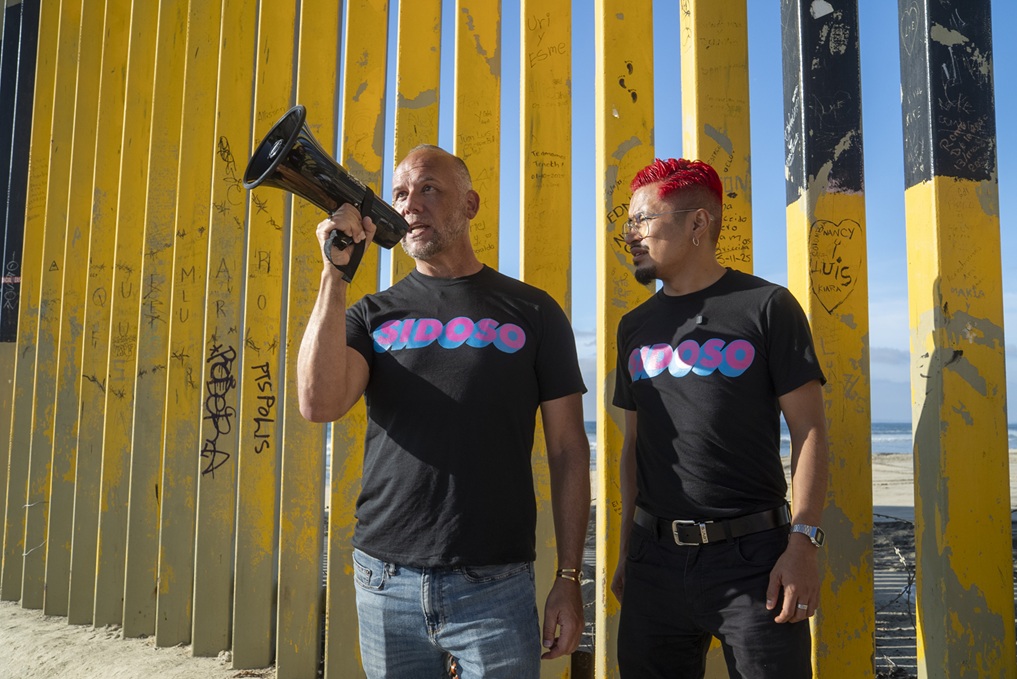
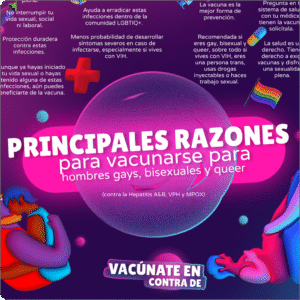
Our QueerVax work brings those principles together in one campaign: vaccine literacy produced with community organisations, advocacy aimed at the national programmes that decide who is eligible, and technical support for the local groups doing the delivering.
A vaccine that a community cannot reach is not a public health success with an access problem. It is an access failure with a vaccine attached.
The mpox response made this impossible to ignore. Where community organisations were funded and trusted, uptake moved quickly. Where they were consulted late or not at all, doses sat in freezers while the outbreak spread through exactly the networks that had been left out of the planning.
What we are asking for
Three things, consistently, in every forum where these decisions are made: that queer communities are named in national immunisation plans rather than left to be inferred; that community-led delivery is funded as delivery, not as outreach goodwill; and that eligibility criteria are written so that the people at highest risk are not the last to qualify.
None of that is novel. It is the same lesson the HIV response learned over four decades, arriving again in a different clinic.
The global attention paid to the sexual health and human rights of men who have sex with men is shrinking. That’s why we need your support.